

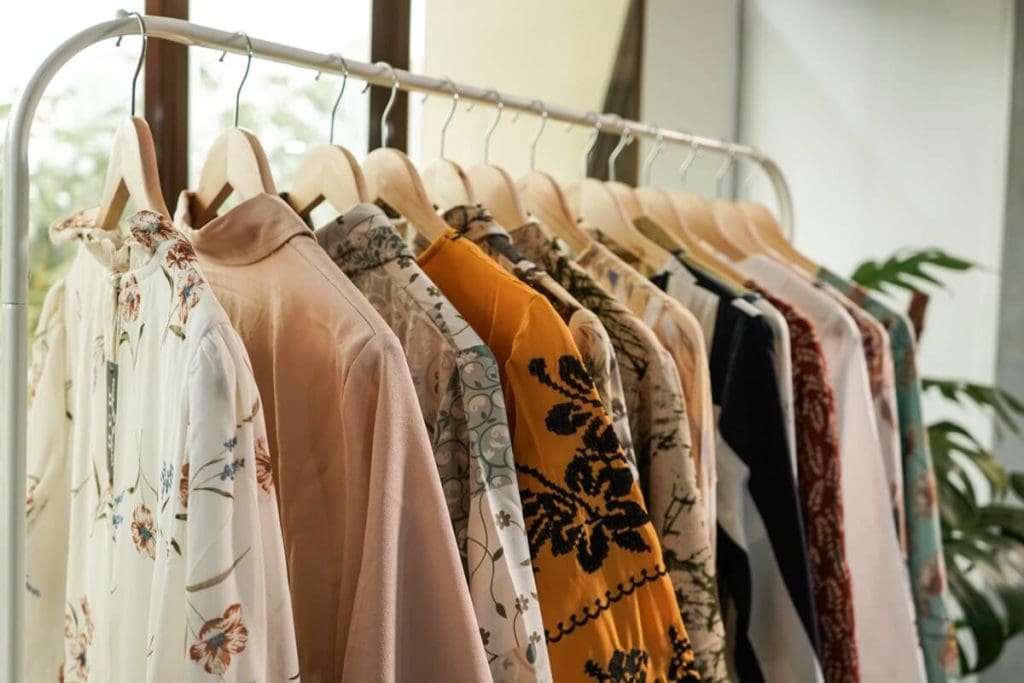
Client: An Independent premium womenswear boutique
Service: AI-assisted merchandising analysis and development of a profitable seasonal buying strategy
The Challenge: Unclear Data and Unanswered Questions
This successful fashion boutique has a loyal community of style-savvy women (aged 30s–70s) and a beautifully curated edit of contemporary European labels. But seasonal buying was getting harder to confidently “feel” because the variables kept stacking up:
- Years of seasonal sales and stock data was living across multiple spreadsheets
- Summer/Spring brands were sitting alongside Autumn/Winter core lines throughout the year
- Pillars such as denim, knitwear, coats and jackets were high-value, and mistakes were expensive
After carefully reviewing their strategy, the client came up with four key questions for which they needed answers and action:
- Are we backing the right brands or just repeating last season?
- Do we genuinely need a third denim label to add to our current two brands?
- Are we under-buying the sizes that actually sell?
- Where is slow stock tying up cash?
The owner didn’t want more “reporting”, she wanted clarity and the reassurance that her Autumn/Winter 2026 buy was rooted in real performance, not guesswork.
The Approach: Human-Led and AI-Supported Analysis and Recommendations
We combined the speed of AI with hands-on merchandising logic for output that is useful, not just interesting. This approach was used in a three-step process that effectively reviewed data and clearly presented actionable results and recommendations to the client.
1. Combine Structured Prompts With Real Data
AI is most useful as a tool when prompts are clear and focussed, so I built a bespoke prompt to analyse the boutique’s Autumn/Winter 2025 seasonal lookbook. Two different AI tools were used (ChatGPT and Gemini) to take advantage of a wider knowledge base.
Each AI tool was directed to assess performance by brand, category, price point, size and colour, with clear instructions to account for seasonality. Doing this manually would have been time-consuming and become extremely costly for the client. The results may also have been less accurate. Using AI meant quicker results, better value, and more effective analysis.
2. Build In Seasonal Brand Logic
Not every label was to be treated equally: some are Autumn/Winter foundations, some are Spring/Summer-only, and some are best used as “icing”, i.e. the special pieces that elevate the edit without carrying the budget.
As an AI tool wouldn’t necessary automatically understand these subtleties that are unique to the boutique, I built in the relevant logic. By doing so, the results are less generic and more useful to the client.
3. Incorporate Valuable Human Interpretation
To ensure accuracy and relevance, I reviewed the AI output, sanity-checked it against real-world retail context, and translated it into plain English buying guidance. This was presented to the boutique owner with clear action points: what to buy more of, what to edit back, and where to test safely.
Results of the Analysis
The Pillars Were Confirmed
Denim, knitwear and outerwear earned their place as core categories delivering strong revenue and healthy margins when bought with the right mix.
Where To Double Down
The data highlighted which parts of the range consistently delivered sales, margin and clean stock. These were the safest areas to invest more confidently for Autumn/Winter 2026.
Where To Trim (Without Losing The Boutique Feel)
The analysis of the data also surfaced stock-heavier areas that were better handled as smaller, more edited buys to reduce risk while maintaining a fresh, interesting edit. This included some some higher-ticket pieces and certain “nice-but-not-essential” items.
Size and Colour Clarity
Analysis reassured the owner that small and medium sizes perform strongly, while indicating that there is room to lean a little more into key mid sizes. Core colours (including black and navy) remain essential, with seasonal accents that should be kept controlled.
The “Third Denim Brand” Question
The owner had been considering adding a third denim label. However, the numbers pointed to a smarter move: go deeper on the existing hero denim brand, keep supporting denim tightly edited, and only test a new brand later in a small, low-risk capsule if needed.
The Outcome For the Client
The owner now has a clear story of how Autumn/Winter 2025 performed, and she no longer has to rely solely on instinct and spreadsheets of hard-to-interpret data. Using this new information, she has gained practical, specific guidance on:
- Categories to grow
- Sizes to prioritise
- Where to be braver
- Where to pull back to avoid stock build-up
Supporting all this is a simple budget framework for Autumn/Winter 2026 that separates:
- Core brands for investment
- Supporting brands to maintain
- “Icing” brands for small, statement buys
Most importantly, she is walking into Autumn/Winter 2026 appointments with the confidence that her instincts still matter, but that they’re now also backed by data.
How this could help your business
If you’re sitting on seasons of spreadsheets and feeling unsure where to place your next buy, I can help you turn that data into decisions:
- Plug your real sales and stock data into structured AI analysis
- Apply season-specific merchandising logic (so the AI doesn’t make naïve assumptions)
- Translate the AI analysis into a practical buying plan that protects margin and reduces risk
Interested in an AI-assisted seasonal review for your boutique? Get in touch and we’ll chat through your brands, categories and budget and what you need clarity on next.