

Technical SEO
Technical SEO involves optimising a website’s infrastructure. By doing so, search engines and AI bots can more effectively assess your site, understand the context and content, and then share relevant snippets with searchers.
You could have the best content in the world, but if the bots from these search systems can’t access it effectively, it won’t be seen by your potential customers.
Although technical SEO has always been important, it has only become more vital as search engines get smarter. Some key things to check on your site include:
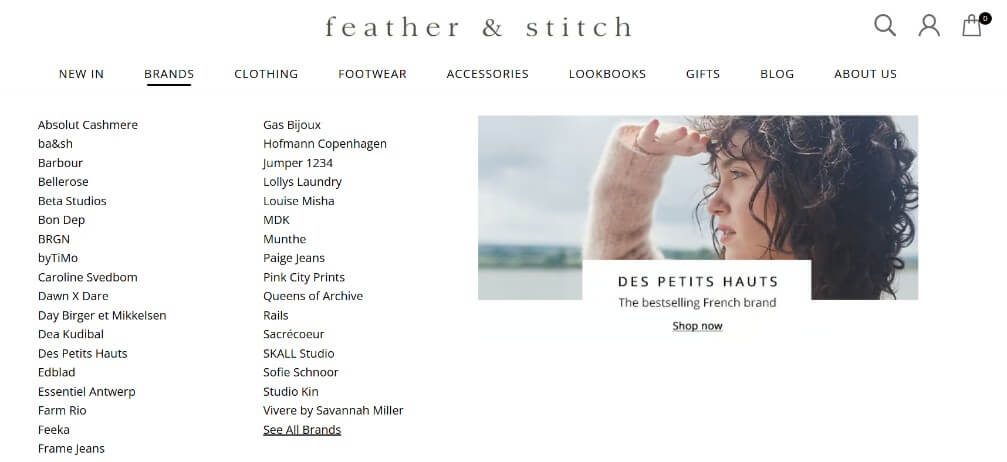
- Site architecture: are menus easy to navigate and can users find what they want?
- Does your robots.txt file block any crawlers and prevent AI search engines looking at your site? If it does, you could be missing out on vital traffic.
- Have you got an up-to-date sitemap and is it on Google Search Console?
A lot of technical SEO is next-to-impossible for you to do if you’re not an expert in the subject, so feel free to get in touch if you need the extra support.
Demonstrating E-E-A-T
By knowing your subject well, sharing that knowledge with customers in a useful way, and adding uniqueness through your own experience and perspective, you build trust and authority. This leads to strong customer relationships and more sales.
E-E-A-T (Experience, Expertise, Authoritativeness, Trust) is the acronym used to describe this SEO foundation, and it should be the basis of all your content creation. Both traditional search and AI search tools want to surface the most helpful and relevant information from reliable sources, so create it for them.
To demonstrate E-E-A-T, use keyword research and fan-outs (see below) to thoroughly cover topics that are relevant to your industry. These could be broad topics – everything you need to plan your perfect wedding – to more niche subjects– how to get the best light for the perfect bridal photo.
Topic Signals and Fan-Outs
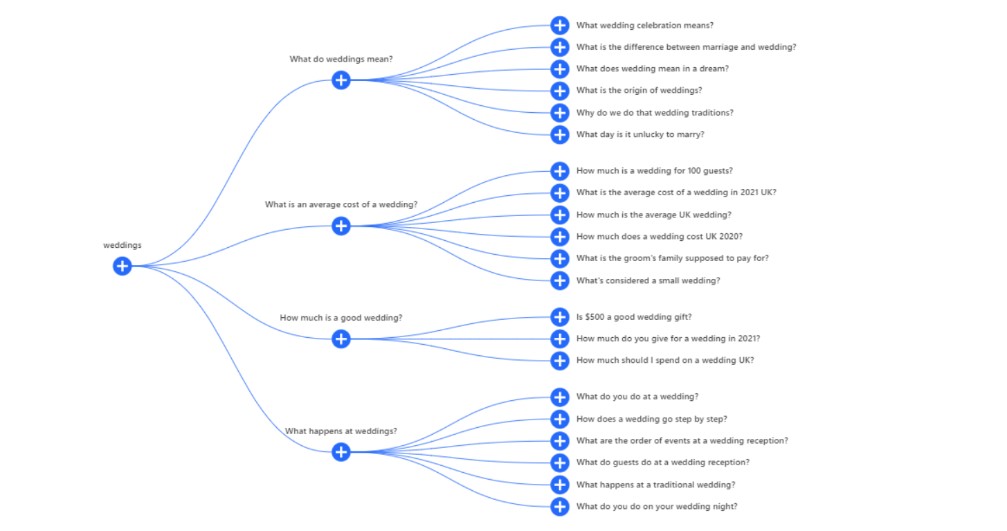
When AI search engines are asked a question, they don’t just answer that question. They also try to predict follow up questions and provide answers for those too. It leads to more comprehensive answers that prevents the user having to perform multiple searches.
You can do something similar when you create content.
While successful SEO originally involved optimising for one phrase or word, and targeting one keyword per page, it has since evolved. It’s now about examining a topic more thoroughly (see my guide on semantic SEO), and – like AI search engines – trying to predict the user’s follow-up questions.
If you can do this well through effective keyword research and clustering, you can make your content more useful and therefore more likely to appear in both traditional and AI search. Combine this with E-E-A-T (above), and you’re onto a winning combination.
Brand Strength
The strength of your brand goes a long way towards improving your search performance. AI search engines look to validate and understand your business: is it real, is it trustworthy, what makes it stand out from other competitors?
E-E-A-T (above) will have a lot to do with it, but you need to look further afield too. Whereas traditional SEO was mostly about what happened on your own website, in the AI era, what happens off your website is also incredibly important.
To build strength, your brand must have a consistent and visible presence across the web. This starts with your website, but expands to social sites, directories, press pieces and citations on other trusted websites. Keep your tone and message consistent, make sure all your contact details match, and show up in all these places.
Conclusion
SEO is no longer just about rankings and clicks; it’s the underlying visibility asset that helps an independent small business appear across Google, AI Overviews, ChatGPT-style search and other discovery journeys while still driving measurable enquiries and revenue. Traditional SEO principles still apply in the AI era, but they’re expanding and developing. From a strong, multi-platform brand presence to topical expertise and robust technical elements, SEO remains one of your brand’s most critical assets.