

Differences and Similarities Between ChatGPT and Google Searches
The Basic Search Experience
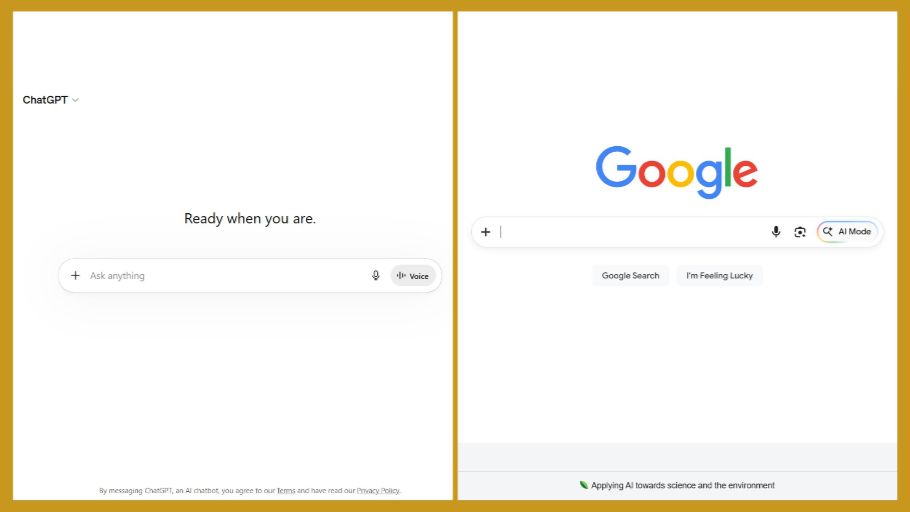
Google Search has been around for a long time, and so you’re probably already very familiar with it. You type in a question or a description of something you want, and you’re presented with pages of results that might match your search. You’re then most likely to pick one of the top couple of results to look into further.
Amongst the list of search results there may be other results such as paid ads, product listings, maps or follow-up questions. And, more recently, Google Search has added its own AI Overview, a summary of results that may answer your question without the need to click through to a website.
On ChatGPT you also enter a question or description, but you’re more likely to word it as though you’re speaking in a real conversation. You’ll get a chat-like response that answers your query and may link to a small handful of sources. The linked websites are limited, and there may also be follow-up questions, comparisons, or alternative suggestions. You can continue to explore ideas in a way that feels more conversational.
Google Search still accounts for 90% of searches worldwide, but ChatGPT has a growing share of the market, and is the most popular of this type of search system (known as an LLMs – Large Language Models).
Results Volume
Google will provide searchers with pages and pages of results, so you can root through them to find exactly what you’re looking for – though most people won’t look much further than the first page, or even the first couple of results. For many searches, an AI summary will provide an overview of the results and present links to a handful of websites – basically, it does the scanning for you. The volume of results means that users can self-filter to find the information they want, and website owners have a better chance of being found.
ChatGPT, on the other hand, may not present a searcher with any websites at all – it might just answer the question natively. If it does provide links, there are usually only a handful. For searchers, this can mean less overwhelm from excessive results, but can also limit the available information. For website owners, it’s a case of hitting those top positions (the links that are shared) or being completely invisible.
Search Intent
Search intent is what the searcher wants to actually find – are they looking to buy something now (transactional intent), to find a product/service with a plan to buy in the future (commercial intent), a specific website (navigational intent), or additional knowledge (informational intent)?
Google is the most popular option for transactional intent and navigational intent: when users are ready to buy or know exactly what they want. They are generally warm customers who already know the business or know what they’re looking for and can be easier to convert.
ChatGPT is generally used more often for informational intent – a user wants to improve their knowledge around a subject and so they go looking for that information. ChatGPT can offer an easier and more naturalistic way of exploring a topic, and can provide more specific, detailed answers immediately. In these cases, users may use the platform to brainstorm and exchange ideas, as well as learn how to do a specific task.
Those with a commercial intent may use one or the other, or a mix of both. Those earlier in the buying process may look for reviews and recommendations using Chat GPT before looking for specific items, brands or features on Google.
Of course, the above is all generalisation, but it can help small business owners understand where it’s best to show up and when.
Information Gathering and Sharing
From where does Google and ChatGPT obtain information, and how do they determine what to share and to whom?
Google acts as a live index of the whole of the web. It has a huge database collated by “crawlers” that go through websites, read information, and follow links to understand how everything is connected.
This information is contextualised and, when a user searches, Google matches the query with relevant information from its index. It then presents the user the results most likely to satisfy the query. The chosen results (and their order) are decided based on an array of signals.
On the surface, ChatGPT works in a relatively similar way. However, how it processes the information is different. ChatGPT is “trained” on information across the web, including public-facing websites, code, forums, and its own past conversations. However, this training only goes so far, so it also relies on search engine Bing to provide additional and more up-to-date information. It’s when it uses Bing that ChatGPT also shares links to its sources.
Tips For Better Visibility in Google and ChatGPT Searches
Ultimately, good SEO practices are going to help small businesses gain more visibility on both search platforms, but there are some key areas to focus on for an extra boost.
Don’t Neglect Bing
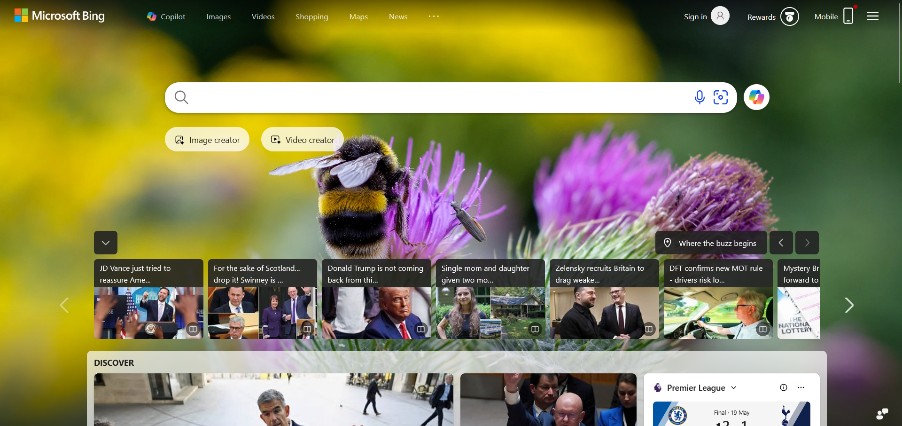
In general, SEO practices that work well for Google will work well for Bing (and therefore ChatGPT), but there are some priority differences between the two platforms. Bing, for example, is more likely to share a site with exact keywords matches. It also puts more emphasis on socials, so make sure you’ve got a good social media presence.
Like with Google, you can submit your sitemap to Bing via the Bing Webmaster Tools Sitemap tool, which ensures Bing knows your site exists.
Read more on optimising your website for Bing.
Know Your Audience
If you understand your audience, why they’re visiting your site, and where they are in their purchase journey, then you can choose where to focus your SEO energies.
As discussed earlier, users tend to opt for one of these search platforms based on the information they need. If you want to obtain new leads, spend more time focusing on optimising for ChatGPT: submit your sitemap to Bing, create more content for earlier stages of the user journey (e.g. product comparison guides), and ensure you’re active on social platforms.
If you’re targeting users who are closer to making a purchase, focus on optimising for Google Search. Collect reviews and social proof to build trust, demonstrate your expertise, and develop a strong backlink profile.
It’s also worthwhile understanding the demographics of your audience and how they use search. Age, background, behaviour and more can indicate where they’re more likely to get their information, which in turn will help small businesses target potential customers in the right places.
Remember: different areas of your website can target different people at different stages of a journey. You don’t have to choose one or the other, but instead be clear about which page is meant for who.
Build a Multi-Platform Strategy
Success in search – with either Google or ChatGPT – is no longer reliant on what you do on your website. While on-site SEO is still very important, it should be complemented by a broader approach.
If you run a small business, time will be limited, so how comprehensive your multi-platform strategy is will depend on resource requirements and availability. As always, it’s better to prioritise doing fewer things well, rather than lots of things poorly.
A multi-platform strategy involves building visibility for your business across the web. This has always been important, but nowadays is more so than ever. That means building a strong social media presence, obtaining press mentions through articles and press releases, listing your site on trustworthy directories, and collaborating with other relevant businesses on content such as guest blog posts.
By expanding your visibility across the internet, you are building awareness, building trust, and helping both ChatGPT and Google find you and gain more context about your business. This will increase the likelihood that you will get a mention.
Conclusion
Although Google still dominates search, ChatGPT holds a growing audience and shouldn’t be ignored. Good SEO practices will give your website a good chance of being visible across both platforms, but it’s important to recognise the differences and work on improvements that will boost your business across one, or the other, or both.
Understand your audience and where they are in the sales funnel, then optimise your content, build trust with reviews, demonstrate expertise, and expand your visibility across the internet. Together, these will set you on the course to better visibility on multiple search platforms.